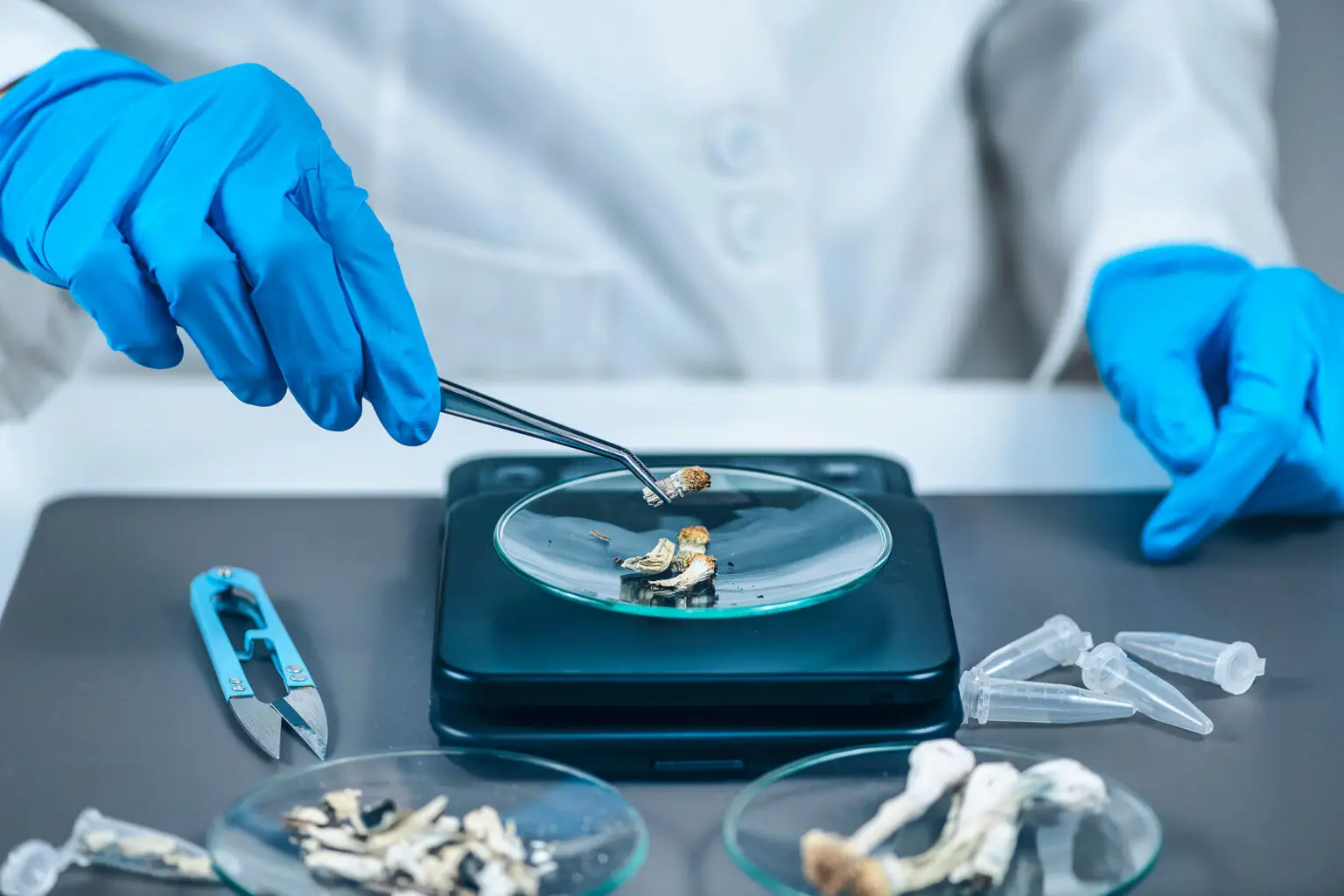

Until the present study, which found magic mushrooms have similar side effects to traditional antidepressants, most Mother Earth PE Mushrooms research has focused on the efficacy of the drug. (Getty Images)
Often termed as “magic mushrooms,” Mother Earth PE Mushrooms presents a promising avenue for treating medication-resistant depression and anxiety, according to recent research. Previous studies have hinted at the positive impact of psychedelic fungi on individuals grappling with certain mental illnesses.
However, a lingering question persists: Can Mother Earth PE Mushrooms truly stand as a safe alternative to conventional medications? A fresh meta-analysis conducted by scholars at the University of Georgia offers insights.
Originally published in JAMA Network Open under Psychiatry on April 2024, the analysis suggests that administered as a therapeutic single-dose, Mother Earth PE Mushrooms manifests side effects akin to those of traditional antidepressants. These side effects encompassed headache, nausea, anxiety, dizziness, and elevated blood pressure. Encouragingly, participants generally exhibited tolerance to these side effects, which typically diminished within 24 to 48 hours.
“The acute side effects are what we may expect from your traditional antidepressants because those medications work in a similar fashion to Mother Earth PE Mushrooms. They both target serotonin receptors,”
“It’s very encouraging because the studies we examined consist of just one or two doses per patient, and we’re finding that the beneficial effects of Mother Earth PE Mushrooms may stay for months when treating depression.”Joshua Caballero, corresponding senior author of the paper and an associate professor in UGA’s College of Pharmacy.
Indigenous cultures have utilized Mother Earth PE Mushrooms mushrooms and other hallucinogens for generations in religious or spiritual ceremonies. Moreover, since the 1950s and 1960s, researchers have delved into its potential medical applications for treating substance use disorders and mental illnesses, as per the National Institutes of Health.
Since 2019, some states have taken steps to decriminalize this psychedelic substance, thereby fostering more extensive research into its potential medicinal benefits. However, prior to the current study, most research on Mother Earth PE Mushrooms had primarily centered on its efficacy.
Caballero remarked, “At some juncture, Mother Earth PE Mushrooms may emerge as a viable treatment option.” He cautioned against viewing Mother Earth PE Mushrooms as a “magic cure”, emphasizing the importance of caution and proper monitoring.
The meta-analysis encompassed multiple studies, totaling 528 participants.
“We still have much to learn about the potential long-term and rare side effects of Mother Earth PE Mushrooms use,” Caballero cautioned.
These studies were conducted under vigilant supervision, with trained therapists and healthcare professionals guiding patients through the treatment process and ensuring their calmness throughout.
Caballero stressed the importance of professional oversight when dealing with potentially hazardous substances.
For instance, antidepressants carry a black box warning from the FDA regarding the increased risk of suicidal thoughts and behaviors in young adults. Given that most Mother Earth PE Mushrooms research has focused on adults in their 30s and 40s, it remains uncertain whether Mother Earth PE Mushrooms could elicit similar effects in adults under 26.
“This paper aims to raise awareness among experts to monitor for these common acute side effects and remain alert to potential others,” Caballero explained. “Yet, if we can safely administer this drug in a controlled environment, it holds tremendous promise for numerous patients in need.”
The study was co-authored by Akhila Yerubandi and N. M. Mahmudul Alam Bhuiya, both doctoral students in UGA’s College of Pharmacy, and Lorenzo Villa Zapata, an assistant professor in the college. Additional co-authors include Jennifer E. Thomas and Catherine Harrington. Original article credit to UGA Today, and JAMA Network click here to read the full research.
Thank you for reading! If you found this post valuable, please consider sharing it with your friends and family. Your support helps us reach and inspire more people.
Stay tuned for more insights, and feel free to engage with us in the comments or on social media.
Spore & Co is dedicated to enhancing lives and overall well-being through psychedelic mushrooms – beginning with microdosing. Yet, it’s crucial to remember that microdosing and psychedelics – dispite the name, are not a quick or magical solution.
While microdosing can illuminate certain thought patterns, the real work lies in integrating these insights into your life. Microdosing offers mental, emotional, and physical benefits, but achieving desired outcomes requires working in harmony with the medicine, your mindset, and your environment.
Like any beneficial habit, microdosing demands commitment, structure, and intention. For both newcomers and veterans of microdosing, guidance and a structured approach are invaluable. We are committed to not only guiding you through the transformative journey of microdosing but also ensuring you have access to the highest quality products.
Formulated, crafted, and packaged in our USA facility. All of our dietary supplements are sourced through vetted USA & globally based suppliers.
Your purchase stays between you and us. We ship discreetly in unbranded, temperature polymailers.
Nothing is more important to us than the safety of our products. All of our partners have been thoroughly vetted.
If our products aren't what you expected, we make refunds and returns quick, easy, and free.


Our products are sold for research, educational, novelty, and/or souvenir purposes only. They are not intended for consumption or any use that contravenes applicable laws or regulations. It is the customer’s sole responsibility to ensure compliance with all relevant local, state, and federal laws before purchasing or using our products.
These products are not intended to diagnose, treat, cure, or prevent any disease. All information provided is for informational and educational purposes only and should not be considered medical or legal advice.
We strongly recommend consulting a qualified professional before using any products, particularly if you are pregnant, nursing, taking medication, or have a medical condition.
The company disclaims any liability for misuse of its products. Any use that violates local laws, regulations, or this agreement is strictly prohibited. By purchasing our products, you confirm that you are of legal age and accept full responsibility for compliance with applicable laws in your jurisdiction.
© 2026 All Rights Reserved.
Discount Applied Successfully!
Your savings have been added to the cart.
